
Meaning and Importance of the Algerian Flag
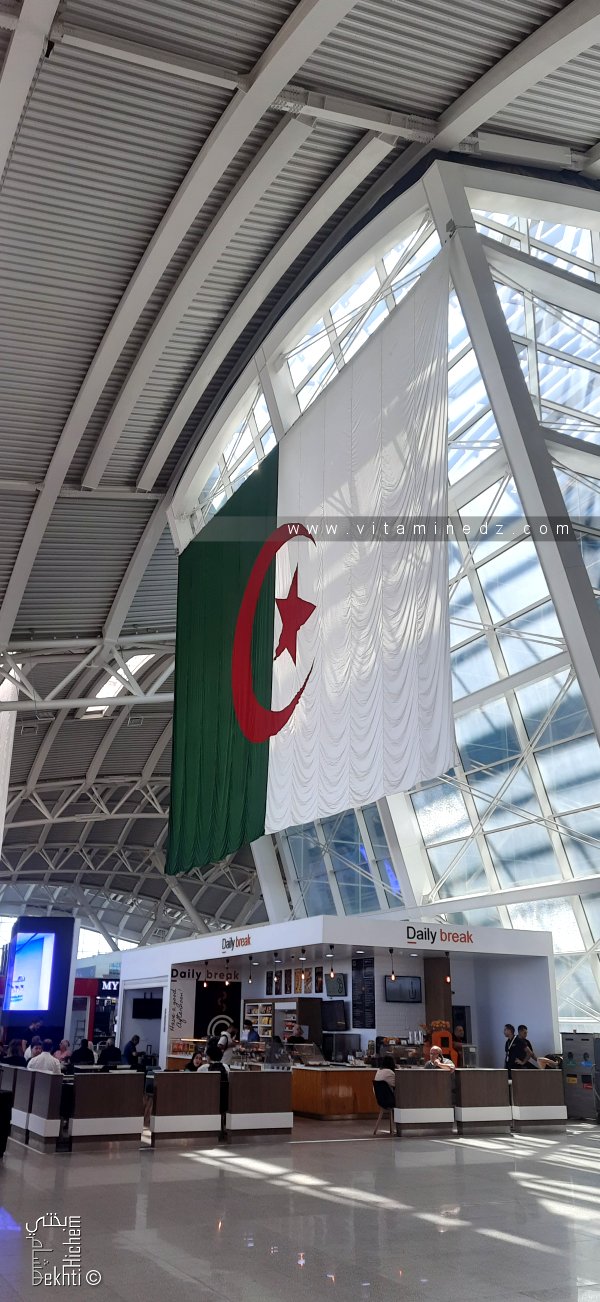
The Algerian flag, officially adopted on July 3, 1962, the day of Algeria's independence, is a powerful symbol of the nation's identity and history. Below is an explanation of its meaning and significance:
Meaning of the Flag's Elements
The Algerian flag consists of two equal vertical stripes (green on the left, white on the right) with a red crescent and a five-pointed red star in the center. Each element carries a specific meaning:
- Green Color:
- Represents Islam, the majority religion in Algeria, and symbolizes nature, prosperity, and hope for a better future.
- It is associated with the struggle for independence and the country's agricultural wealth.
- White Color:
- Symbolizes peace, purity, and national unity.
- It evokes the sacrifices of the martyrs who died during the Algerian War of Independence (1954–1962) against French colonization.
- Red Crescent and Star:
- The crescent and star are traditional Islamic symbols, reflecting the religious and cultural identity of the Algerian people.
- The red color represents the blood of the martyrs who gave their lives for the country's freedom during the anti-colonial struggle.
- The five-pointed star may also symbolize the five pillars of Islam or the five continents, highlighting Algeria's openness to the world.
Importance of the Flag
- Symbol of Independence:
- The flag embodies the victory of the Algerian people after a long struggle against French colonization. It serves as a reminder of the sacrifices made by the fighters of the National Liberation Front (FLN) and the martyrs of the revolution.
- National Unity:
- The flag is a symbol of unity for Algerians, transcending regional, ethnic, and linguistic differences (Arabs, Berbers, etc.). It represents solidarity and cohesion among the people.
- Cultural and Religious Identity:
- Through its colors and symbols, the flag reflects Algeria's Muslim and Arab identity while incorporating universal values such as peace and freedom.
- National Pride:
- The flag is prominently displayed during national events, such as Independence Day (July 5), sports competitions, or political gatherings. It is a source of pride for Algerians, both within the country and in the diaspora.
- Historical Legacy:
- The flag's design draws inspiration from the banners used by the Algerian nationalist movement, particularly those of the FLN. It is also linked to the legacy of Emir Abdelkader, a hero of the resistance against French colonization in the 19th century, who used similar colors.
Historical Context
The flag was designed by the FLN during the War of Independence and was officially adopted upon independence in 1962. It draws partial inspiration from the flags of the Algerian state under Emir Abdelkader and other symbols of resistance. Unlike other Maghrebi flags, it stands out for its unique design and deep connection to the revolutionary history.
Use and Respect
- The flag is used in all official institutions, schools, government buildings, and during national ceremonies.
- It is treated with great respect, and any act of desecration is considered a serious offense in Algeria.
- During protests, such as those of the Hirak movement (2019–2021), the Algerian flag was raised as a symbol of popular demands for freedom and justice.
In summary, the Algerian flag is much more than an emblem: it embodies the history, struggles, values, and aspirations of the Algerian people. It is a symbol of resilience, independence, and unity, deeply cherished by Algerians.
Posté par : patrimoinealgerie